

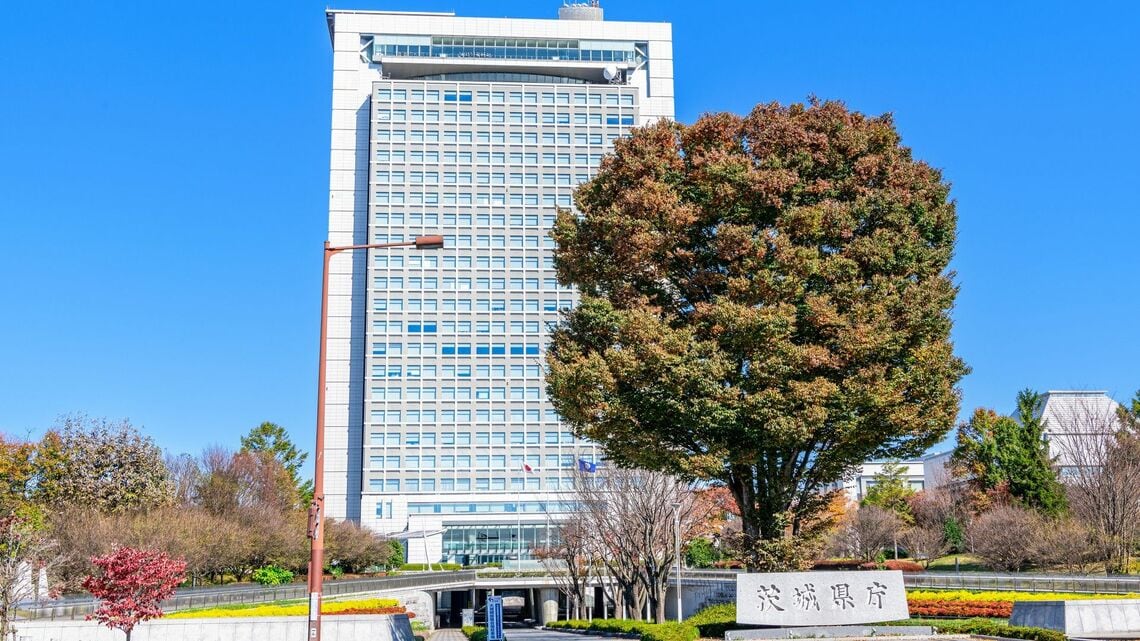
Ibaraki Prefecture plans to start a new reward system in 2026. The prefecture will pay residents to provide information about companies that use foreign workers without a visa. This plan has received attention across Japan.
Many worry it will lead to discrimination against non-Japanese as well as Japanese citizens who don’t appear Japanese (biracial, naturalized citizens, etc.). While others say it is a necessary measure to reduce the rising number of illegal workers.
Public data shows that Ibaraki has had the highest number of arrests for illegal employment in Japan for three years in a row. In 2024, there were 3,452 cases.
Many of these cases were in the agricultural sector. The prefecture says it has a strong determination to stop illegal labor. Governor Kazuhiko Oigawa said in a press conference that the system is not meant to make foreign workers feel uneasy. He said the prefecture will operate the system carefully and will verify facts before contacting the police.
To understand the plan, I contacted Ibaraki Prefecture and asked for clear explanations. Their reply shows both their strong intention and the limits of the system. The prefectural government told me that the reward will be a fixed amount: ¥10,000 for one case. The money will be paid only when the information “leads to the arrest of a business operator for promoting illegal employment.”
The prefecture said the reward is not for reporting individual foreigners. They repeated this point several times. They want to make it clear that the target is companies, not people.
The prefecture also explained how they will check information. Before they contact the police, they will interview the person who makes the report. To stop false reports, the prefecture will require the person who reports to write their real name, address, and phone number.
They believe this will “deter false or defamatory reports.” They will also visit the company that was reported and conduct a “screening” process to confirm the facts. They say this is to prevent mistakes and to avoid acting on rumors.
Many people are protesting the program. They believe it will encourage citizens to report people they think are undocumented. Illegal work is a serious issue for any society, but this method causes harm. It can increase fear of foreigners and ignore the social and economic reasons behind the problem.
We have seen in the United States that similar policies led to violence and social division. In addition, many non‑Japanese workers in Japan came through government programs and are also victims. Some employers do not pay them properly, take their passports, or threaten them, putting their safety and livelihoods at risk.
A deeper problem is this: the system assumes that people can clearly separate a company from the workers inside it. Ibaraki prefecture is mostly rural, made up of small farming towns. Residents see the same workers every day. They know which farm employs which people. When a resident decides to report a company, the workers are the reason for the report. How is reporting a company distinguishable from reporting an individual, then?
The prefecture says it will not accept information about individuals, and “will limit the information we receive to information about businesses that are thought to be aiding and abetting illegal employment.” But in a small community, information about a company and information about its workers are often the same information. This creates a gap between the policy as written and the policy as it will work in real life.
This has the potential to create a very tense situation, not only between residents and foreign workers, but between neighbors who see the situation differently. Workers may feel watched, judged, or targeted — even if the policy says they are not the target.
For Japanese businesses, the important point is this: the system shows that the labor market is under pressure. And the number of farms that cannot find enough legal workers is growing. Japan needs foreign workers. This is clear in agriculture, construction, care work, and many other fields. But Japan’s visa system and labor rules do not always match the real needs of the economy. When the system does not match reality, pressure builds.
Another reason for illegal work is 'visa mismatch.' This happens when a worker comes on a legal visa for skilled jobs like office or technical work, but the company forces them to do different work—like hard farm labor—that the visa does not allow. Farms in Ibaraki need people for picking vegetables and other physical jobs, but the visa rules are strict and do not fit these needs.
Companies do this because they cannot find enough workers with the right visas. But if immigration finds out, the work becomes illegal. The worker can lose their visa and job, and the company can face fines or arrest. This shows Japan's visa system does not match the real jobs the economy needs.
The prefecture wants to show that it is taking action to protect legal workers and legal companies. But the deeper issue remains: Japan’s labor shortage is growing, and the country’s rules for foreign labor are not keeping up. Until this gap is fixed, systems like Ibaraki’s will continue to appear; Quick fixes that may do more harm than good, despite their intentions.